

Throughout today's rapidly transforming world, education cannot rely solely about rote memorization and passive learning. Students need to build critical thinking expertise that empower them to navigate sophisticated situations, evaluate details objectively, create informed decisions. This switch in educational focus is essential regarding fostering not just academic success, nevertheless also personal and even professional growth in an increasingly interconnected society.
Developing critical pondering skills is important for young students as this enables them to assess arguments, identify biases, and engage in thoughtful discussions. Because educators, it is usually our responsibility to cultivate a setting where curiosity contributes to much deeper understanding and in which students ought to question the status quo. By embedding essential critical thinking skills in to the curriculum, we prepare students in order to thrive in some sort of world that needs innovative problem-solving plus the ability to be able to think independently. This particular article delves in to the critical thinking attributes every student should possess, giving insights on how to recognize plus nurture these skills inside of the classroom.
Essential Critical Thinking Skills
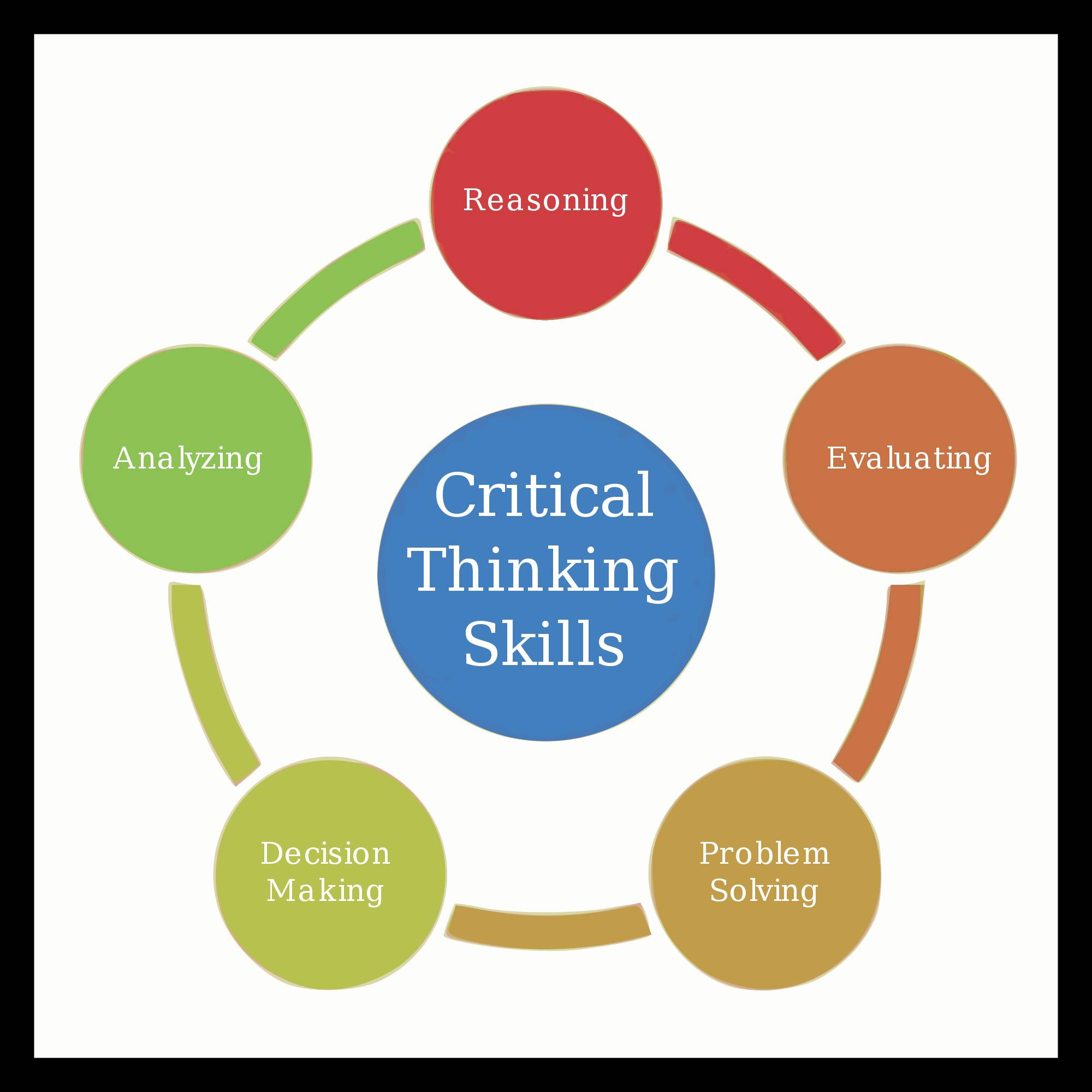
Critical considering is an essential talent for students to find their way the complexities regarding modern education and life. At its primary, critical thinking requires the ability to analyze information, examine arguments, and synthesize new ideas. Students who develop solid critical thinking expertise are better outfitted to tackle difficult problems, understand different perspectives, and help to make informed decisions. These kinds of competencies are generally not only about memorizing facts but about knowing the underlying concepts and context in the information presented.
One regarding the key abilities that students need to cultivate could be the potential to challenge assumptions. This means questioning this self-destruction and appearing accessible to new concepts. A powerful critical thinker is not going to accept data at face worth but actively seeks to recognize biases in addition to evaluate evidence. This specific skill also scarves closely with logical reasoning, where learners learn to discern legitimate arguments from fallacies. By developing https://postheaven.net/babiesjam6/the-mind-toolkit-essential-critical-thinking-skills-intended-for-students , students can easily engage more profoundly with their studying materials and get involved meaningfully in discussions, enhancing their total educational experience.
In improvement to questioning presumptions, effective critical thinkers exhibit strong analytical skills. They could split down complex information, identify relationships between ideas, and assess the relevance of facts to support their conclusions. This skill set is important throughout a world inundated with information, mainly because it enables students to differentiate facts from opinions and assess the credibility of resources. By fostering these kinds of essential critical pondering skills, educators might prepare students intended for both academic good results and real-world issues.
Considering Critical Thinking inside Students
Evaluating critical believing in students takes a multifaceted approach that will looks beyond very simple right or misguided answers. Educators should focus on assessing how students technique problems, the questions they ask, and the ability to state reasoning. Observing learners during debates or discussions can offer insight into their argumentation skills and exactly how well they can defend their viewpoints. Furthermore, assignments that require analysis, activity, and using understanding can help educators gauge a student's critical thinking levels more effectively as compared to traditional tests.
One successful way of evaluation is definitely incorporating reflective checks that prompt college students to describe their thought processes. This can involve self-assessments exactly where students critique their own work and identify areas with regard to improvement. By offering students with options to take part in metacognition, educators can better understand their thought patterns and decision-making processes. Additionally, teachers can use rubrics specifically designed in order to measure critical thinking traits, identifying components such as evidence associated with reasoning, the caliber of queries posed, and the consistency of conclusions sketched.
That is also vital to observe how learners handle real-world issues and scenarios, seeing that this can end up being a strong signal of their critical thinking capabilities. Joining students in project-based learning and collaborative tasks allows teachers to see just how students apply their particular skills in useful settings. Recommended Site to think separately and challenge assumptions of these tasks can easily reveal their abilities for critical proposal. Ultimately, a comprehensive evaluation strategy that includes diverse methods will provide some sort of clearer picture regarding a student's important thinking skills.
Encouraging Critical Thinking Development
Fostering a great environment that stimulates critical thinking is important for nurturing a generation of independent learners. Educators can implement various ways to inspire students to engage deeply with content rather than depending solely on memory. This can include integrating more open-ended issues during discussions, driving students to check out multiple perspectives in a topic, plus providing opportunities intended for collaborative problem-solving tasks. Creating a classroom culture that ideals inquiry can create students feel relaxed revealing their thoughts and even challenging ideas.
Another successful approach would be to incorporate real-world scenarios directly into the curriculum, permitting students to use their critical thinking about skills in useful situations. Assignments of which require research, research, and evaluation regarding information help students practice distinguishing between credible sources and biased opinions. Group projects that include debate and debate can also improve their argumentation expertise while promoting teamwork and communication. The particular more students may relate their mastering to actual experiences, the more spent they may become found in developing their important thinking abilities.
Encouraging reflection is equally important in the voyage towards critical planning. Educators should focus on the value regarding self-assessment, urging pupils to think about their thought processes and decision-making. Writing, peer feedback, in addition to guided discussions on the reasoning right behind conclusions can help learners recognize their biases and assumptions. Augmenting curiosity and the habit of asking 'why' encourages deeper pursuit and understanding, generating critical thinking a new natural part regarding their learning experience.